Pastry Passport Week 𝟝: Piloncillo Sweet Potato Cake with Teresa Finney of At Heart Panadería 🇲🇽
Hi!
I have been baking friends with Teresa Finney — writer, recipe developer, and baker behind At Heart Panadería in Atlanta, Georgia — for a long time. You may recall last year that Teresa traveled to Philly from Georgia to bake her signature conchas, masa harina chocolate chip cookies, puerquitos, and incredible sheet cake for the customers at Downtime. I’d loved her inspired Mexican baking from afar for so long — it was such a treat to get to taste it all IRL.
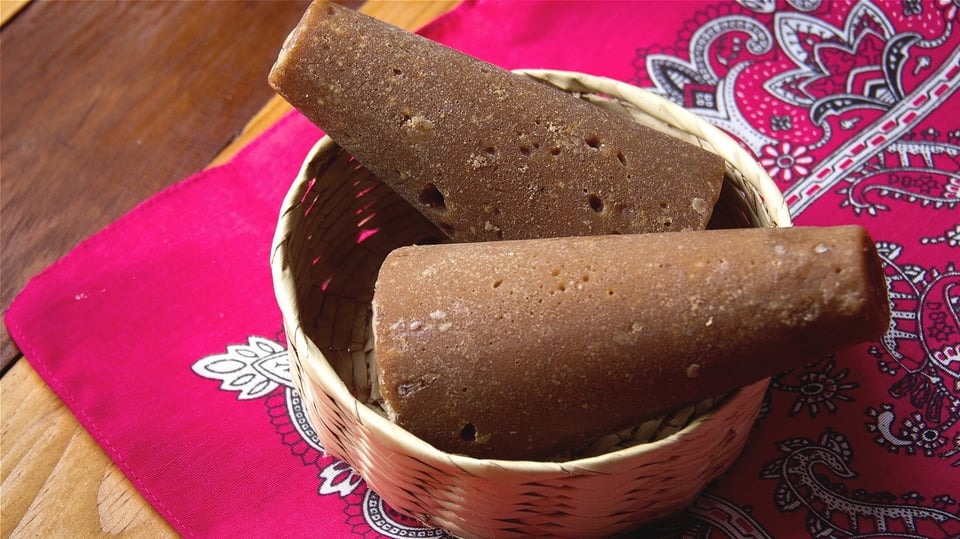
Teresa was one of the first bakers I reached out for the Pastry Passport, not only because she has a long list of absolute bangers from her Mexican heritage for us to bake, but because when she was visiting last year, I learned a ton from her about piloncillo — a caramelized pressed cane sugar that is frequently used in Mexican baking and cooking — that I’ve been trying to bring into the bakery in some way ever since.
Enter: Piloncillo Sweet Potato Cake. * fireworks go off *
Teresa developed this cake with the deep caramelized flavor of piloncillo, cinnamon, and sweet potato, inspired by another Mexican dish served around Día de los Muertos in the fall called calabaza en tacha, pumpkin cooked down in piloncillo syrup. Teresa made the cake vegan, so we paired it with an aquafaba-based Italian meringue to top the cake, making the whole experience a rich, spiced, warming cake for everyone to enjoy. 100% vegan and 100% delicious.
I interviewed Teresa about this cake, what to know about piloncillo, and what she hopes people think about when they’re eating Mexican pastries.

Downtime Bakery: Tell us a little about yourself!
Teresa Finney: I’m Teresa, a second-generation Mexican-American freelance recipe developer, writer, and baker originally from the Bay Area, CA. In 2021, I started my Atlanta, Georgia-based micro-bakery and pan dulce pop up, At Heart Panadería. At the bakery I focus on my versions of classic panadería staples such as conchas, cakes, and galletas; the menu is always expanding. All of my bakes are made with as many local to Atlanta and/or Georgia ingredients as possible. Supporting the farmers and other local businesses in my own community is what it’s all about.
Right now, I am back to the grind. I have a market every weekend now. I’m working from a commercial kitchen now so I’m able to do things quicker and faster and much more efficiently. It’s very addicting.

DTB: How did you decide to develop the piloncillo sweet potato cake? What was it like to make it vegan?
TF: I think I developed that cake recipe in 2023, this was around the time that I was wanting to play with vegan cakes, just to test myself, to push myself to do it. I knew from previous experiments that I did with eggless conchas in 2022 that I could swap eggs for sweet potato. I knew already that sweet potato would be a fantastic base for a cake.
Calabaza en tacha is pumpkin that gets cooked way down with piloncillo and spices, sometimes with cream on top. For the conchas, what I did was I roast the potatoes, but for this cake, I knew about calabaza en tacha, where pumpkin is cooked way down to very fork tender, I wanted to do that for the cake with the piloncillo syrup. It was those very fall type of flavors that I really love.
DTB: Was the cake a success from the first time you tested it?
TF: It was definitely not an immediate 10/10. Trying to get the hydration right to where the cake would hold itself together and not be too wet still. That took a couple of tests. It was too dry the first time that I did it. It’s a matter of playing around with the hydration levels and the flour amounts. I had a feeling that the cake would take a few tests because it was a vegan cake. It was a whole new realm for me. It was so satisfying when I finally got it.
DTB: How would you describe piloncillo to those who’ve never encountered it?
TF: I’ve seen it described a bunch of times online as Mexican brown sugar, which it’s not. It can be grating to see that sometimes. It’s basically pressed cane juice that gets boiled way down to get rid of the water content. As it cooks down, the cane sugar gets deeply caramelized — that’s where the brown comes from. The comparisons do make sense. They boil it down and then pour the syrup into this cone shape, and the sugar will harden as it cools down. Typically people will grate the cone, which can be annoying to do, as it takes a really long time. I prefer to boil it down, so I do that for cakes and cookies.
DTB: What do you wish people understood about Mexican baking that they don’t understand now?
TF: At the market, there’s always one person who has questions about conchas because they’ve never seen one before. I think especially here, in Georgia, people tend to think of Mexican food as being tacos and burritos and tortillas. They’re not even considering the world of pastry.
I want people to understand that Mexican pastry deserves the same kind of respect as French pastry and croissants. I think people have expectations that it should be cheaper than French pastry, but it shouldn’t. Especially with something like a concha — that takes time and skill and that has to be considered, too.
DTB: Anything you want to plug or share with Downtime newsletter readers?

Add a comment: